
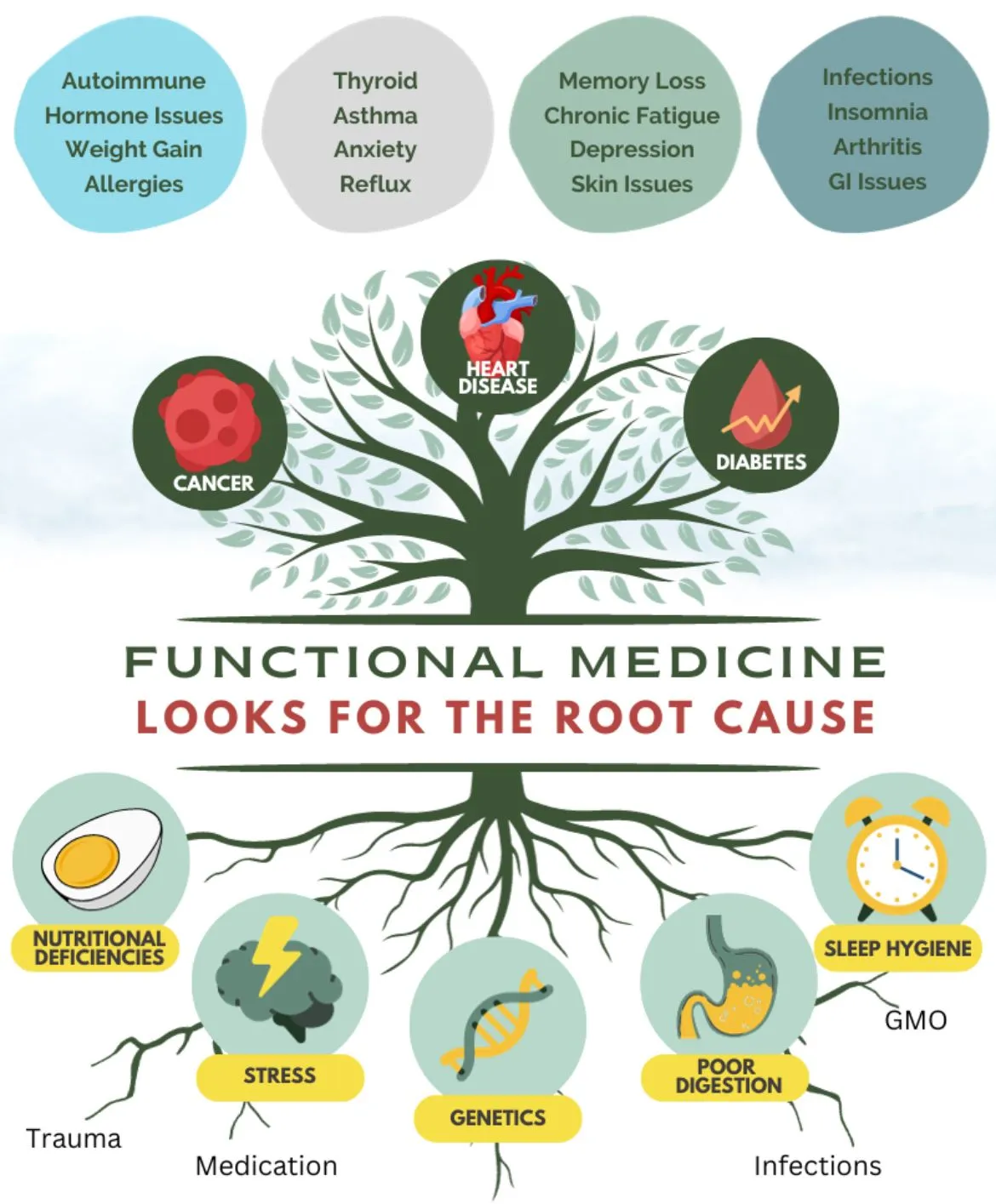
Have you ever experienced ongoing fatigue, digestive discomfort, difficulty managing your weight, or other health concerns without getting the answers you need? Sometimes, understanding your health requires looking beyond individual symptoms and considering how different systems in the body work together.
This is one of the central ideas behind functional medicine.
For individuals exploring a more personalized approach to healthcare, Functional Medicine in Alexandria, VA offers an opportunity to discuss health concerns, lifestyle factors, medical history, and individual wellness goals with a healthcare professional.
Rather than focusing exclusively on treating individual symptoms, functional medicine considers the broader factors that may contribute to a person’s health. These can include nutrition, physical activity, sleep, stress, environmental influences, and existing medical conditions.
At KingStreet Apothecary, patients can explore functional medicine as part of a broader approach to wellness and personalized healthcare.
In this guide, we will explain what functional medicine is, how it differs from conventional healthcare, the conditions and concerns it may address, and what to consider when choosing a functional medicine provider in Alexandria, Virginia.
What Is Functional Medicine?
Functional medicine is an approach to healthcare that considers the interconnected systems of the human body and the different factors that influence overall health.
It focuses on understanding potential contributors to health concerns rather than looking at symptoms in isolation.
For example, someone experiencing persistent fatigue may have several possible contributing factors, including:
- Iron deficiency or anemia.
- Thyroid disorders.
- Vitamin deficiencies.
- Poor sleep quality.
- Certain medications.
- Stress or other medical conditions.
Instead of assuming that every person experiencing fatigue has the same underlying problem, a healthcare professional evaluates the individual’s medical history, symptoms, and relevant test results.
Functional medicine often incorporates conventional medical assessments alongside discussions about nutrition, lifestyle, and preventive health.
It is important to understand that functional medicine should complement evidence-based medical care rather than replace appropriate diagnosis, medication, or specialist treatment.
How Does Functional Medicine Work?
Functional medicine generally follows an individualized process.
The exact approach depends on the provider, the patient’s health concerns, and the available medical evidence.
1. Understanding Your Medical History
A detailed health history helps a healthcare professional understand your current concerns and identify relevant medical factors.
This may include discussions about:
- Previous medical conditions.
- Family medical history.
- Current medications and supplements.
- Previous laboratory results.
- Dietary habits.
- Physical activity.
- Sleep patterns.
- Stress levels.
Understanding this information helps establish a clearer picture of the patient’s overall health.
2. Identifying Potential Contributing Factors
Different health concerns can have overlapping causes.
For instance, persistent tiredness may be associated with nutritional deficiencies, sleep disorders, hormonal conditions, or other medical problems.
A healthcare professional may recommend appropriate examinations or laboratory tests based on the symptoms and clinical history.
Testing should be selected for a specific medical reason rather than ordering large panels without a clear clinical purpose.
3. Developing an Individualized Plan
Once the relevant information has been reviewed, the healthcare professional can discuss appropriate treatment and lifestyle recommendations.
Depending on the individual’s needs, a plan may include:
- Nutrition recommendations.
- Physical activity guidance.
- Sleep improvements.
- Stress management.
- Appropriate medications.
- Correction of confirmed nutrient deficiencies.
- Follow-up medical evaluations.
The objective is to create a realistic approach that addresses the patient’s health needs.
4. Monitoring Progress
Healthcare is an ongoing process.
Follow-up appointments can help determine whether the recommended interventions are working and whether adjustments are necessary.
Progress may be evaluated through symptoms, clinical examinations, and relevant laboratory results.
Common Health Concerns Discussed in Functional Medicine
Functional medicine providers may evaluate a variety of health concerns.
However, the appropriate diagnosis and treatment depend on the individual patient. Functional medicine is not a guaranteed solution for every chronic health condition.
1. Digestive Health
Digestive concerns such as bloating, constipation, abdominal discomfort, and irregular bowel movements can affect daily life.
These symptoms may be associated with dietary factors, food intolerances, gastrointestinal conditions, medication effects, or other underlying medical issues.
A functional medicine evaluation may involve reviewing dietary habits, medical history, and symptoms.
When necessary, the provider may recommend further investigation or referral to a gastroenterologist.
2. Hormonal Health
Hormones help regulate several important functions, including metabolism, reproduction, mood, sleep, and growth.
Hormonal concerns may be associated with conditions such as thyroid disorders, polycystic ovary syndrome (PCOS), or menopause.
Symptoms can include:
- Changes in menstrual cycles.
- Unexplained weight changes.
- Sleep disturbances.
- Hot flashes.
- Changes in energy levels.
- Mood changes.
A healthcare professional may recommend appropriate testing and treatment depending on the symptoms.
Hormonal symptoms should not automatically be attributed to a hormone imbalance without proper evaluation.
3. Weight Management
Weight management involves several interacting factors, including nutrition, physical activity, genetics, sleep, medications, and certain medical conditions.
Functional medicine may consider these factors when developing a personalized weight-management approach.
A suitable plan may include dietary guidance, activity recommendations, behavioral changes, and evidence-based medical treatments when appropriate.
Sustainable weight management generally focuses on long-term habits rather than quick fixes.
4. Fatigue and Low Energy
Persistent fatigue can have many possible causes.
Some common contributors include:
- Iron deficiency.
- Vitamin B12 deficiency.
- Thyroid disorders.
- Sleep apnea.
- Chronic medical conditions.
- Medication side effects.
- Mental health concerns.
A healthcare professional can evaluate these possibilities and recommend appropriate investigations.
Correcting an identified deficiency or treating an underlying condition may improve symptoms.
However, persistent fatigue should not be treated with supplements alone without understanding its cause.
5. Metabolic Health
Metabolic health refers to how effectively the body manages processes such as blood sugar regulation, blood pressure, and blood lipid levels.
Factors such as diet, physical activity, genetics, sleep, and body composition can influence metabolic health.
A personalized healthcare approach may involve reviewing relevant laboratory results, identifying risk factors, and recommending evidence-based lifestyle or medical interventions.
6. Nutritional Health
Nutrition plays an important role in supporting normal bodily functions.
Some individuals may experience nutrient deficiencies because of dietary restrictions, absorption problems, certain medications, or underlying health conditions.
Depending on the clinical assessment, a healthcare professional may evaluate levels of nutrients such as iron, vitamin B12, and vitamin D.
Supplementation should be based on individual requirements and appropriate medical guidance.
Functional Medicine vs. Conventional Medicine
People often wonder how functional medicine differs from conventional healthcare.
Both approaches can play important roles in patient care, but they may emphasize different aspects of the healthcare experience.
| Conventional healthcare | Functional medicine approach |
|---|---|
| Often focuses on diagnosing and treating specific medical conditions. | Often considers broader factors contributing to health concerns. |
| Uses established medical tests and treatments. | May combine conventional assessments with lifestyle and nutritional evaluation. |
| Treatment may involve medication, procedures, or specialist care. | May incorporate nutrition, sleep, exercise, and other lifestyle interventions. |
| Follow-up focuses on disease management and clinical outcomes. | Follow-up may also review lifestyle changes and individual wellness goals. |
These approaches are not necessarily alternatives to one another.
Evidence-based conventional medical care remains essential. Functional medicine can be useful when it incorporates appropriate medical assessment and does not delay necessary treatment.
What Are the Potential Benefits of Functional Medicine?
The potential value of functional medicine depends on the quality of the evaluation, the provider’s qualifications, and whether the recommendations are supported by scientific evidence.
Some potential advantages include:
Personalized Healthcare
People have different medical histories, lifestyles, and health requirements.
An individualized assessment can help ensure that recommendations are relevant to the patient’s circumstances.
Greater Attention to Lifestyle Factors
Nutrition, exercise, sleep, and stress management influence many aspects of health.
Discussing these factors can help patients identify practical changes that support their overall well-being.
Better Understanding of Health Concerns
Reviewing medical history, symptoms, and appropriate laboratory findings can help patients better understand their health.
Long-Term Health Management
A structured approach to follow-up care may help patients monitor health changes and maintain sustainable lifestyle habits.
Coordinated Healthcare
When functional medicine is integrated with conventional medical care, patients may benefit from appropriate collaboration between healthcare professionals and specialists.
It is important to note that functional medicine itself has limited evidence as a distinct treatment model. Individual interventions should be evaluated based on their own scientific support.
Who Should Consider Functional Medicine?
People interested in a more comprehensive discussion of their health may consider consulting a qualified functional medicine provider.
This may include individuals who:
- Have ongoing health concerns requiring further evaluation.
- Want guidance on nutrition and lifestyle habits.
- Have questions about existing laboratory results.
- Want support with evidence-based weight management.
- Need help understanding potential nutritional deficiencies.
- Want to discuss preventive health and long-term wellness.
Functional medicine should not replace emergency treatment or specialist care.
Anyone experiencing severe symptoms, unexplained weight loss, chest pain, difficulty breathing, or other concerning changes should seek appropriate medical attention.
How to Choose a Functional Medicine Provider in Alexandria, VA
Finding an appropriate healthcare provider is an important decision.
Before scheduling an appointment, consider the following factors.
1. Check Professional Qualifications
Ask about the provider’s medical education, professional license, relevant training, and experience.
The term functional medicine does not automatically establish a particular medical qualification.
2. Look for Evidence-Based Recommendations
A trustworthy provider should explain why a particular test, supplement, or treatment is being recommended.
Be cautious of claims promising to cure multiple unrelated conditions or guarantee results.
3. Understand the Evaluation Process
Ask what the initial consultation includes and how your medical history, symptoms, and previous laboratory results will be reviewed.
4. Discuss Testing and Treatment Costs
Some evaluations and specialized laboratory tests may involve additional costs.
Understand which tests are medically necessary, which are optional, and whether insurance covers any services.
5. Consider Coordination With Your Existing Doctor
If you already have a primary care physician or specialist, it is helpful to coordinate care.
This can reduce the risk of conflicting recommendations, unnecessary testing, or medication interactions.
Why Explore Functional Medicine at KingStreet Apothecary?
KingStreet Apothecary is a pharmacy and wellness center located in Alexandria, Virginia.
The clinic offers a range of services, including functional medicine, IV therapy, medical weight loss, hormone replacement therapy, injection therapy, and pharmacy services.
Its broader healthcare offerings allow patients to explore different wellness services while discussing their individual health needs.
If you are looking for information about functional medicine in Alexandria, VA, KingStreet Apothecary can be a starting point for learning about available services and discussing your healthcare goals.
Before beginning any treatment, patients should confirm the provider’s qualifications, the scope of services, and whether the recommended approach is appropriate for their medical needs.
Clinic Information:
KingStreet Apothecary
4680 King St, Alexandria, VA 22302
Phone: (703) 879-3655
Email: Contact@kingstreetapothecary.net
Visit the clinic website to learn more about its healthcare and wellness services.
Frequently Asked Questions About Functional Medicine
1. What does a functional medicine doctor do?
A functional medicine provider evaluates a patient’s medical history, symptoms, lifestyle, and relevant health information to develop an individualized approach to care.
The exact services depend on the provider’s professional qualifications and scope of practice.
2. Is functional medicine scientifically proven?
Some components, such as evidence-based nutrition, exercise, sleep improvement, and treatment of confirmed nutritional deficiencies, are supported by scientific research.
However, functional medicine as a complete system has limited high-quality evidence demonstrating superiority over conventional medical care.
3. Can functional medicine help with weight loss?
Functional medicine may incorporate nutrition, physical activity, sleep, and medical evaluation into a weight-management plan.
The effectiveness depends on the specific interventions and individual circumstances.
4. Does functional medicine involve blood tests?
It may involve laboratory testing when clinically appropriate.
Depending on the patient’s symptoms and medical history, a provider may recommend tests related to thyroid function, blood sugar, iron status, vitamin levels, or other relevant markers.
Not every patient requires extensive testing.
5. Is functional medicine the same as holistic medicine?
They have overlapping interests in whole-person healthcare, lifestyle, and overall well-being.
However, they are not identical terms. Functional medicine generally emphasizes interconnected physiological systems and potential contributors to disease, while holistic medicine is a broader term that can describe different healthcare philosophies.
6. Where can I explore functional medicine in Alexandria, VA?
KingStreet Apothecary is located at 4680 King St, Alexandria, VA 22302. You can contact the clinic at (703) 879-3655 to ask about its functional medicine services.
Conclusion
Understanding your health involves more than looking at individual symptoms. Nutrition, lifestyle, medical history, and underlying health conditions can all influence how you feel.
Functional medicine offers an individualized approach that considers these different factors while helping patients explore appropriate healthcare options.
If you are researching Functional Medicine in Alexandria, VA, KingStreet Apothecary offers functional medicine alongside a range of pharmacy and wellness services.
Take time to understand your healthcare options, ask questions, and work with qualified professionals who prioritize evidence-based recommendations.
Contact KingStreet Apothecary to learn more about its services and discuss your individual healthcare needs.